

Property market forecast for 2026.
Property market forecast for 2026: how interest rates, supply and property quality influence the decisions of buyers and investors in Sofia today.

Photos show the potential of a home. A viewing shows whether it is worth your time, capital and trust. This property viewing guide is designed for buyers who are not just looking for a well-presented apartment, but an informed decision with a clear understanding of the quality, risk and long-term value of the purchase.
In premium properties, details are rarely random. The quality of the common areas, the orientation of the living room, the noise at 6:30 p.m., the maintenance of the building, and the status of the specific unit can all change both the daily comfort and the real market value. That's why a good inspection is not a formal walk-through of the rooms. It is a structured inspection in which observation goes hand in hand with asking the right questions.
Before you enter the property, clarify the criteria by which you will make a decision. When searching for your own home, these usually include location, functional layout, light, quietness, quality of the building and convenience for everyday life. For an investment property, expected rent, liquidity, profile of the future tenant and maintenance costs are added.
Ask for basic information in advance: area according to the notary deed and area with common areas, floor, year of commissioning, type of construction, heating, monthly maintenance fee and availability of a parking space or garage. If the offer includes furniture, specify what remains in the property. This saves conversations based on different expectations.
It's also helpful to see the address outside of the listing. Walk around the area at a different time of day if location is a major factor. Morning traffic, parking options, proximity to the metro, schools, parks, and shopping services affect quality of life more than impressive interiors. For a vacation property, also check the seasonality - an area that seems quiet on a weekday may have a completely different dynamic in the high season.
The first impression of a building is important, but it shouldn't be the only one. Look at the entrance access, flooring, lighting, mailboxes, elevators, and maintenance of common areas. They provide real information about the management of the building and the owners' attitude towards the common property.
At new projects Ask who manages the building, what the maintenance budget is, and what services are included in the fee. A higher fee is not necessarily a disadvantage if it brings measurably better care for security, cleanliness, landscaping, and technical systems. The opposite is also true - a low fee in a building with many common amenities sometimes means deferred costs in the future.
Pay attention to neighboring developments. What is the actual view from the property and are there any areas that are under construction? The panorama is a valuable asset, but its value also depends on whether it will be preserved. For low-floor apartments, assess the degree of privacy from the street, entrance, commercial establishments and neighboring buildings.
Enter calmly and do not rush to follow the pace of the presentation. A well-organized tour allows time to feel the light, the noise and the logic of the space. Imagine everyday situations: where you will put things, is there room for a work area, how the rooms are ventilated, how you move between the kitchen, dining room and living room.
The layout should work not only on the plan, but also on a real scale. A spacious living room is an advantage, but if the bedrooms have limited furniture options, the compromise can be significant. For a family home, check whether there is enough storage solutions and whether the bathrooms, hallways and terraces suit your lifestyle.
The technical condition requires a closer look. The buyer does not have to be a civil engineer, but there are signs that should not be ignored:
A single cosmetic defect is not a reason to automatically write off the property. The question is whether it is part of a wider problem and what would be a reasonable budget for its removal. For properties of significant value, older buildings or upcoming major renovations, it is wise to arrange a second inspection with a technical specialist. This is a small cost compared to the security it brings.
Ask about exposure, but check it out in person. The time of the viewing changes perception - a south-facing apartment may be bright and pleasant in winter, but require good shading in summer. North-facing rooms often provide a more even temperature, but can be darker and more susceptible to moisture if not adequately ventilated.
Look at heating and cooling as a complete system, not as a convenience on paper. With central heating, check the condition of the radiators and approximate bills. With heat pump, gas or electric heating, ask about the annual consumption, service history and maintenance options. Quality joinery and insulation are not just marketing features - they directly affect the costs and silence in the home.
The broker or owner should be able to provide clear information about the reason for the sale, the history of the property, any repairs made, and any known features. Ask when the last repair was made and what exactly it included. Ask if there are any leaks in the building, upcoming roof, facade, or elevator repairs, and how decisions are made in the condominium.
If there is a parking space or garage, check its legal status. In practice, concepts such as „parking space“, „garage“ and „right of use“ are not interchangeable. The same applies to basements, attics and warehouses. It is important not only to see them, but also to understand whether they are a separate object, an adjacent room or part of the common areas with a certain mode of use.
For new construction, ask about the investor, materials used, warranty periods, and stage of completion. For properties in a gated community, look at the regulations, short-term rental restrictions, and the actual scope of services. These conditions are especially important when buying for investment purposes.
The inspection does not replace a legal inspection, but it should guide you as to what documents to request. In case of serious interest, the title deed, cadastral scheme, encumbrance certificate, use permit or act 16 if applicable, as well as data on the absence of overdue obligations to the condominium should be examined.
Compare the description in the documents with the actual condition. The area, floor, number of rooms and adjoining parts must be consistently reflected. Renovations that seem practical may require verification of whether they were carried out legally. When purchasing with credit, the bank will also make its own assessment and analysis of the documentation, but this does not cancel the need for independent interest of the buyer.
Market price deserves the same discipline. Compare properties with similar location, condition, floor, exposure and building type, not just price per square meter. In the premium segment, quality of execution, view, parking and limited supply can reasonably create a difference in price. On the other hand, a highly finished interior does not always compensate for a compromised location or inconvenient layout.
A well-conducted inspection gives you more than just an impression - it gives you reasons to continue, negotiate, or calmly walk away. The best property is not the one that looks the most impressive in the first ten minutes, but the one whose quality, documents, and future value remain convincing after careful inspection.
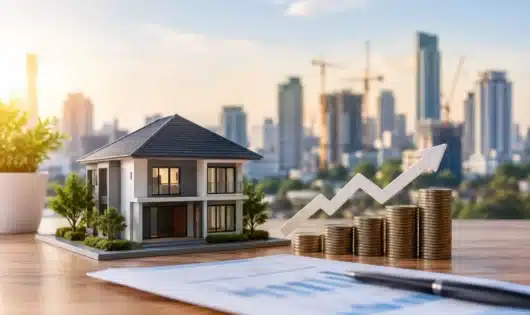
Property market forecast for 2026: how interest rates, supply and property quality influence the decisions of buyers and investors in Sofia today.

Buying or renting: how to compare real costs, freedom and long-term value before choosing a home or investment for your future.
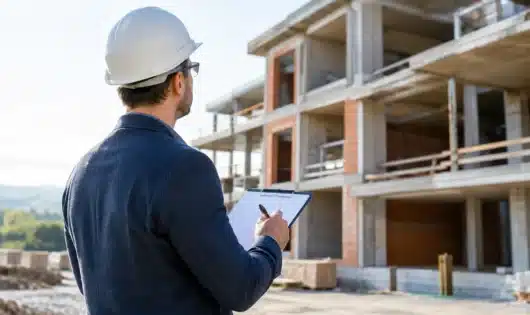
Checking a builder before buying: how to evaluate experience, documents and quality of execution to choose a property with long-term value and security.